
A visit around Gongchen Bridge can connect Hangzhou’s canal history with the everyday objects made and used beside it. The useful planning decision is not how many museums you can collect: it is whether you want to understand the waterway, explore traditional crafts, or leave more time for the riverside neighborhood. Choose one main museum, then build your walk around it.
This guide focuses on the Gongchen Bridge area in Hangzhou, not the similarly named canal museum in another city. Use our Hangzhou destination guide for the broader trip. The sequence below is an editorial planning suggestion, not a timed tour or a promise that every venue will be open.
Start with the two banks of Gongchen Bridge
Gongchen Bridge (拱宸桥) is a stone-arch landmark on the Grand Canal in Hangzhou. The Beijing-Hangzhou Grand Canal Museum is on the east bank near the bridge; the craft museum group occupies reused industrial buildings to the west. These are different museum visits, not interchangeable names for one attraction. The city’s bridge introduction and canal museum overview provide the geographical context.
| Your main interest | Visit to prioritize | Planning distinction |
|---|---|---|
| How the canal shaped Hangzhou | Beijing-Hangzhou Grand Canal Museum, east bank | Choose this for waterway history before looking at the canal outside. |
| Materials, design and traditional making | One of the craft museums, west bank | Pick a subject—fans, umbrellas, blades or broader arts and crafts—instead of assuming you need all four. |
| Streets and canal-side surroundings | Qiaoxi historic area and the bridge surroundings | Keep a flexible outdoor walk; it is not a substitute for a confirmed indoor booking in bad weather. |
Choose canal history or a craft collection
The canal museum’s 2023 refurbishment overview describes exhibitions on the canal’s development and influence, its relationship with Hangzhou, and conservation. That makes it a useful starting point if your question is “why did this city grow around a waterway?” Exhibition arrangements can change; this historical overview is not a current opening-hours notice.
On the west side, the municipal tourism bureau’s museum-group introduction identifies four venues: Hangzhou Arts and Crafts Museum, China Knife, Scissor and Sword Museum, China Fan Museum, and China Umbrella Museum. Their setting in former industrial buildings adds another layer to the visit: the buildings and collections tell different parts of the area’s working history.
For a first visit, choose the subject you can imagine spending time looking at closely. A fan or umbrella collection can suit an interest in familiar objects and their design; the broader arts-and-crafts museum is a better starting point if you do not yet have a particular craft in mind. A workshop or demonstration is a separate question: confirm the actual session, language, age requirements and any charge rather than assuming museum entry includes participation.
Save the right place names before leaving
Save a map pin for your chosen entrance as well as the Chinese name. “Grand Canal” alone is too broad for a useful drop-off destination. The tourism bureau’s published cultural route lists the following street addresses; confirm the visitor entrance with the venue when planning your day.
- 中国京杭大运河博物馆 — Beijing-Hangzhou Grand Canal Museum, by Gongchen Bridge on the east bank. Make sure the map result says Hangzhou.
- 杭州工艺美术博物馆 — Hangzhou Arts and Crafts Museum, 334 Xiaohe Road (小河路334号).
- 中国伞博物馆 — China Umbrella Museum, 336 Xiaohe Road (小河路336号).
- 中国扇博物馆 — China Fan Museum, 450 Xiaohe Road (小河路450号).
- 桥西直街 — Qiaoxi historic street area, useful as a neighborhood name rather than a particular museum entrance.
If using a car, show the driver the full venue name and map pin, not just an English translation. For app and pickup preparation, see our China taxi and ride-hailing guide. Do not assume the historic bridge provides a step-free crossing; if steps are a concern, ask the venue about an accessible entrance and suitable approach before deciding on a two-bank walk.
Build a flexible visit, not a race between museums
- Anchor the day with one confirmed museum. Check its opening day, last admission, reservation requirements and accepted visitor documents. A museum’s permanent collection page does not confirm today’s admission arrangements. Our attraction booking guide explains the questions to resolve for foreign visitors.
- Put that visit first. If canal history is your priority, start on the east bank. If crafts are the main reason for coming, begin with the chosen west-bank venue. This avoids spending the beginning of a booking window on the wrong side.
- Add the bridge surroundings and Qiaoxi only as time allows. The tourism bureau describes Qiaoxi’s preserved riverside and industrial heritage. Treat the streets as a place to observe, not a checklist of shops whose opening hours are guaranteed.
- Leave a clear stopping point. Save your return pickup location before walking farther. With a train or another appointment later, keep spare time for returning to your luggage and onward transport rather than adding another museum automatically.
If your first-choice museum is closed, decide whether a different confirmed collection still interests you. Otherwise, move the museum visit to another day. Rain, temporary closures and booked-out activities are reasons to simplify the plan—not reasons to rely on an unverified alternative.
Questions to settle before you go
Can I visit without booking? This guide does not establish a current walk-in entitlement. Ask the specific museum, especially if its reservation form does not accept your document type. Keep any confirmation available offline.
Is a canal boat ride necessary? No boat ride is part of the suggested museum-and-neighborhood plan. If you want one, separately verify the operator, departure pier, operating day and return arrangements; a riverside museum visit does not include a cruise.
Can I get an English explanation or hands-on session? Check in advance. A translated place name or English webpage does not guarantee an English-speaking guide, translated exhibits or an available workshop that day.
For a longer journey, compare this stop with the existing Hangzhou Grand Canal, Liangzhu and Thousand Island Lake itinerary. To discuss how it might fit your own dates, send your travel dates and museum interests to CHINA FACE. State your preferred collection, walking pace and any need for English interpretation; availability should be confirmed before booking.
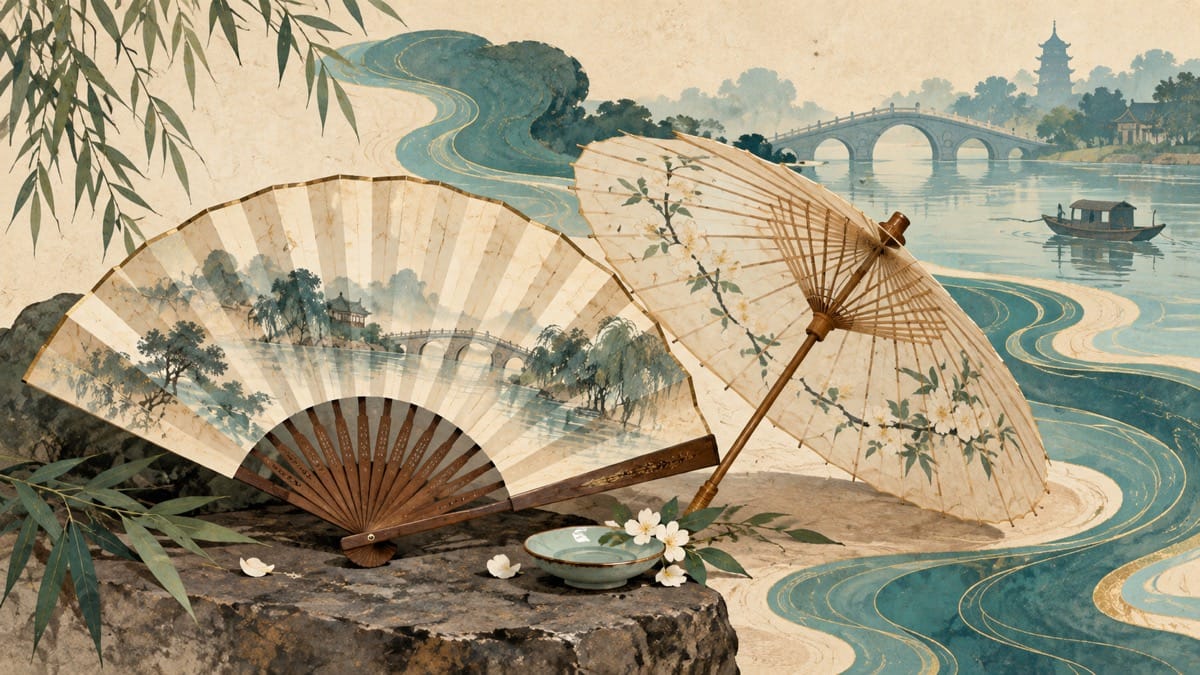
Sources checked: September 15, 2026. Linked municipal sources support the location and cultural background; current hours, fees, reservation rules and individual activities still need confirmation with the venue. The featured image is an original AI-generated editorial illustration of a fan, paper parasol and imagined canal scenery—not a photograph of the museums, a collection object or a navigation map.